Evaluating Yu-Gi-Oh! cards for professional authentication requires an understanding of distinct manufacturing quirks. Printed on standard Japanese mini-size card stock measuring 59 by 86 millimeters, Konami cards are smaller and thinner than Western gaming staples such as Pokémon or Magic: The Gathering. That lighter paper core makes edges more susceptible to impact damage and renders surfaces unusually fragile across both vintage and modern print runs.
Before paying grading submission fees, run candidate cards through a structured pre-grade inspection routine.
Surface Integrity and Foil Anomalies
Surface evaluation begins under an angled LED inspection light. Never rely on diffuse room lighting; tilt the raw card beneath a direct, neutral-temperature beam to expose micro-scratches, wax residue, and indentation marks.
Yu-Gi-Oh! foil varieties present unique manufacturing defects:
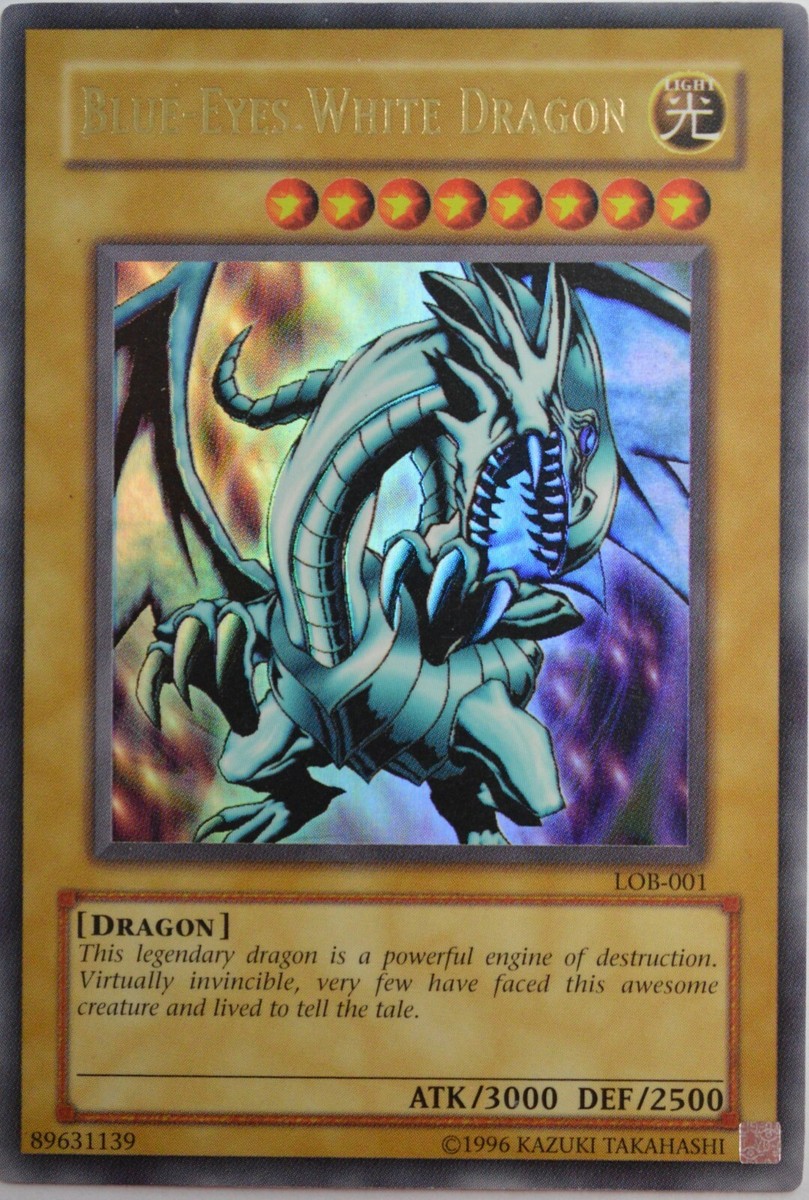
- **Ghost Rares:** The 3D holographic foil layer is notorious for factory scuffing, roller lines, and clouding straight from the booster pack. Any surface cloudiness drops a card out of gem-mint contention immediately.
- **Ultimate Rares:** The debossed foil pattern creates textured relief. Check the reverse side of the card directly behind the artwork to ensure the stamping pressure did not cause visible creasing or paper fractures.
- **Secret Rares:** Traditional diagonal or horizontal cross-hatch foiling frequently hides thin horizontal print lines. Move the card side to side to separate standard foil refraction from actual structural scratches in the clear coat.
Factory Edge Roughness and Corner Integrity
Vintage English sets produced between 2002 and 2005 often suffer from dull factory die cutters. The blades used during initial packaging runs frequently left rough, slightly frayed top and bottom edges on cards pulled directly from fresh packs.
Inspect corners with a 10x jeweler loupe. Look for minor paper layer separation where the top cardstock layer meets the core. Modern sets printed in European and North American facilities also show variation: North American card stock typically exhibits a glossier finish with softer cut edges, while European prints feature darker ink saturation and sharper, cleaner corners that hold grading grades better.
Factory edge wear on early Yu-Gi-Oh! releases is structural, meaning grading companies treat rough die-blade cuts as packaging damage rather than acceptable production variance.
The Reverse Border Test
The back of a Yu-Gi-Oh! card is often where high-grade submissions fail. The dark brown and orange palette creates an unforgiving backdrop for any fiber disturbance.
Examine the entire perimeter on the back side against a dark, non-reflective background mat. Even minor friction against the interior of a binder pocket produces faint white chipping along the top edge or lower corners. A single white pin-dot flaw along the dark back border typically limits a card from achieving a top-tier grade at major grading services.
Centering and the Hologram Stamp
Yu-Gi-Oh! borders are narrow, which means even a small shift in image alignment stands out immediately to a grader. Measure the outer border widths on all four sides. Balanced top-to-bottom and left-to-right margins across both the front and back determine eligibility for higher condition tiers.
Finally, inspect the Eye of Anubis hologram in the lower-right corner. The metallic square should be firmly affixed flush against the card surface. Ensure the foil stamp has not shifted into the card text border, started peeling at the corners, or suffered scratch damage from packaging collation belts.
Filter out surface-flawed specimens early to keep grading submission costs aligned with realistic market outcomes.