The Difference Between Asking and Clearing
Many collectors confuse what a seller wants with what a buyer is willing to pay. A Buy It Now listing can sit on a marketplace indefinitely. That asking price reflects seller optimism, not market consensus.
To determine real value, look strictly at settled transactions. Data aggregators and completed sales filters isolate closed deals. If a card has multiple unsold listings sitting at high price points while completed sales consistently land lower, the settled transactions represent true market value.
Spotting Artificial and Misleading Comps
Not all completed sales reflect genuine market movement. Reading transaction history requires filtering out noise, canceled orders, and incomplete data.
- Strikethrough pricing: An eBay listing showing a line through the original price indicates an accepted Best Offer. The actual purchase price is lower than the displayed list price, requiring third-party sold tools to reveal the real figure.
- Non-paying buyers: A sudden auction spike well above recent averages frequently ends in a non-paying buyer or a canceled transaction. If the same card is relisted by the seller days later, discount that outlier sale entirely.
- Low-volume outliers: A single high sale on a low-population card does not establish a permanent baseline. Wait for multiple matching data points before accepting an elevated price as market consensus.
Navigating Marvel-Specific Variables
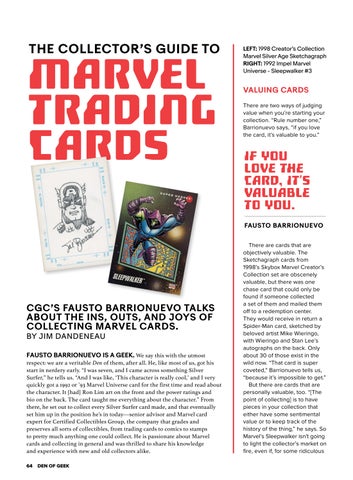
Comping Marvel trading cards presents unique challenges compared to standard sports cards or gaming TCGs. Marvel releases rely heavily on character hierarchy, insert rarity, and hand-drawn art.
- Character hierarchy: You cannot apply a uniform pricing multiplier across a set. A Spider-Man or Wolverine card from a parallel tier like Precious Metal Gems will command a massive premium over an obscure character from the exact same print run.
- Sketch card valuation: One-of-one sketch cards have no direct comps. To price a sketch, evaluate sales of the same artist on similar character tiers, while factoring in color application, detail level, and overall composition.
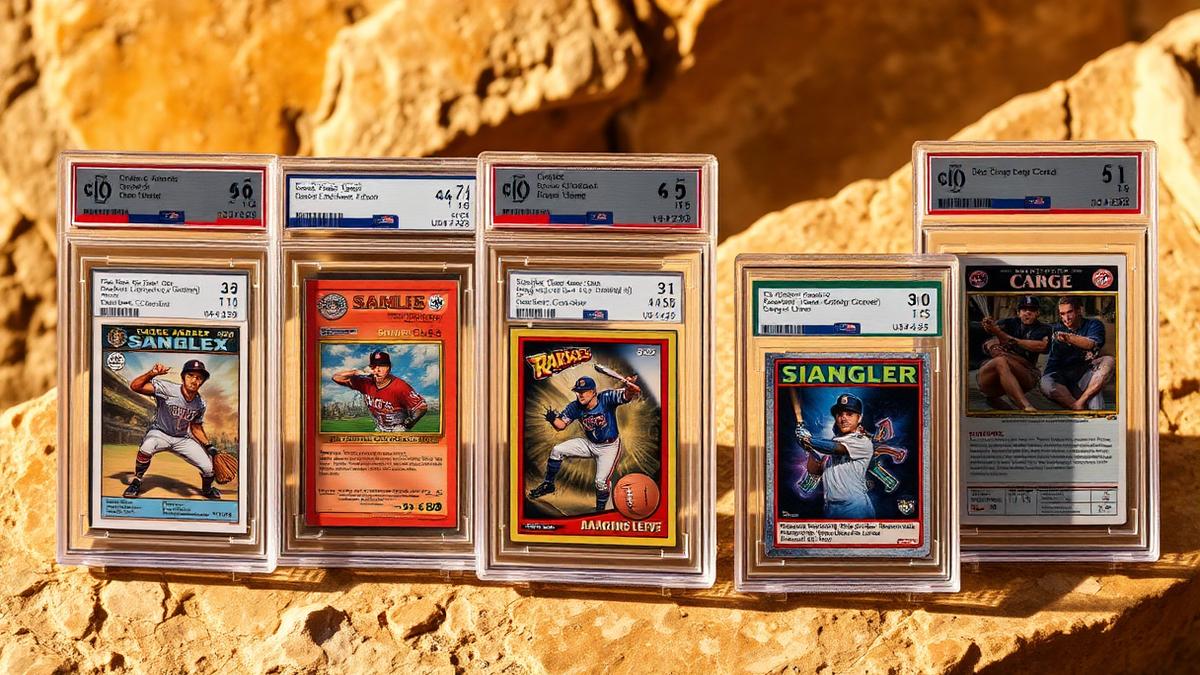
- Condition sensitivity on foil inserts: Cards with full-bleed foil or thick stock are prone to edge chipping and soft corners. A raw copy with visible edge wear should never be comped against a graded PSA 9 or PSA 10 sale.
Settled transactions tell you what someone paid yesterday; market context tells you what someone will pay tomorrow.
Accounting for Time and Market Hype
The date of a sale matters just as much as the price tag. Card values fluctuate around media releases, set announcements, and supply cycles.
Sales recorded during a character appearance or movie launch often reflect temporary buying surges. Similarly, when a new set releases, initial single sales skew high due to limited circulating supply. As open product saturates the market, secondary prices typically adjust downward. Always verify when a comp took place and compare it against current active inventory before making an offer.