
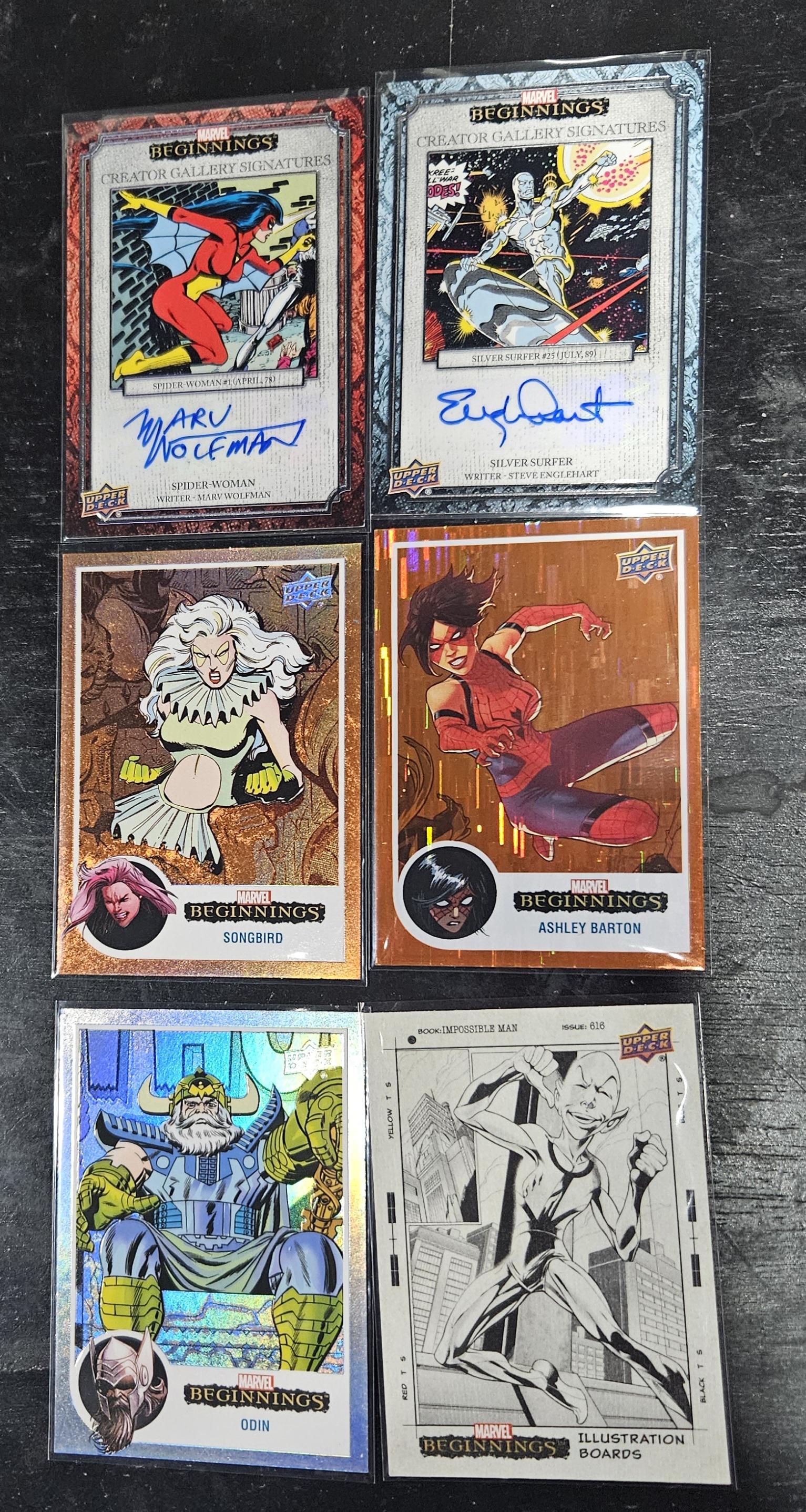
Pricing Marvel cards requires a different playbook than competitive trading card games. Because Marvel non-sports cards lack gameplay utility, secondary market values depend entirely on character appeal, print run scarcity, artist pedigree, and physical condition.
When browsing secondary listings for Marvel singles—whether vintage 1990s sets or modern releases like 2026 Topps Marvel Mint—relying on active listing prices is one of the fastest ways to overpay. Finding true market value requires reading completed sales comparisons (comps) with precision.
Step 1: Match the Exact Parallel and Serial Number
Marvel sets frequently feature deep parallel rainbows with subtle aesthetic variations. A base insert, a serial-numbered parallel, and a printing plate can share the exact same front artwork, but their market values differ dramatically.
Before comparing sales, confirm the exact card details:
- Set year and manufacturer (such as Upper Deck, Fleer, or Topps).
- Serial numbering stamped on the card front or back.
- Exact parallel name (such as PMG Red versus PMG Blue, or refractor variants).
Mismatched comps happen often when sellers label a standard refractor with the title of a rarer serial-numbered tier. Always verify the card number and serial stamp against the set checklist before using a past sale to justify a bid.
Step 2: Filter for Settled Sales Only
Active buy-it-now listings reflect seller optimism, not market value. A seller listing a card for $500 does not mean the card is worth $500.
To find true market value, consult completed sales data on major marketplaces. Look specifically for settled transactions where money actually changed hands. If an item shows "Best Offer Accepted," the original listing price is inaccurate; you must verify the final accepted price via transaction tracking tools rather than taking the initial list price at face value.
Step 3: Account for Condition and Grading Multipliers
Comparing a raw copy to a PSA 10 gem mint copy distorts pricing expectations. Modern chromium stock cards often grade well, meaning the raw-to-graded multiplier might be lower than on 1990s paper stock, which is notoriously susceptible to corner wear and edge chipping.
When evaluating graded comps:
- Match grade for grade; PSA 9 comps should not dictate PSA 10 pricing.
- Note recent pop report shifts; a sudden influx of high grades lowers scarcity premiums.
- Treat raw cards as raw, even if the seller describes them as pack-fresh.
Step 4: Identify Outliers and Low-Volume Traps
Marvel inserts and low-numbered parallels often suffer from low transaction volume. If a card sells once every six months, a single enthusiastic buyer can create an artificial price ceiling.
A single outlier sale does not establish a new market floor. Always cross-reference multiple settled transactions before confirming a card's current value.
Watch out for these pricing red flags:
- Unreasonable premiums placed on unnumbered base inserts.
- Artificial price spikes driven by short-term media announcements.
- Listings citing high-grade status for minor or non-established grading services.
By isolating exact parallels, ignoring active listing asking prices, and filtering for condition-matched settled sales, you can accurately price Marvel cards and spot bad deals before buying.


