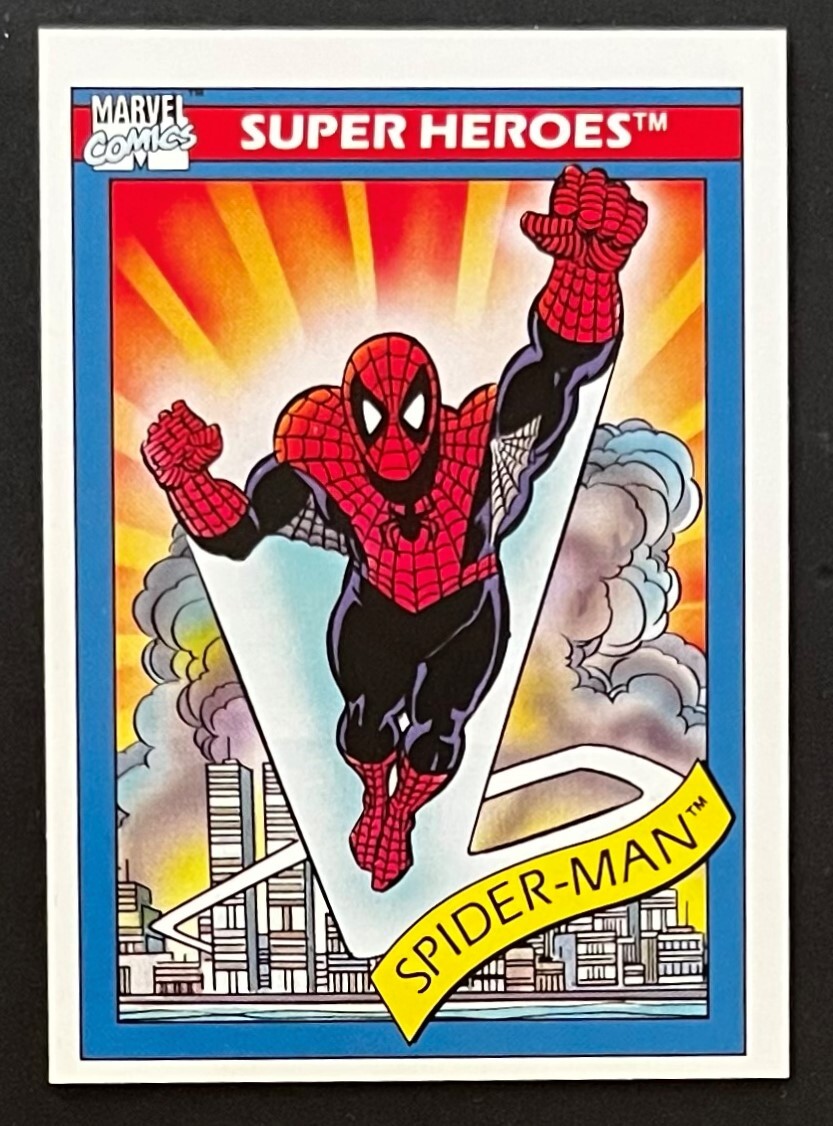
Evaluating completed sales for Marvel trading cards presents challenges distinct from conventional sports cards or TCGs. Marvel market dynamics span over three decades of releases, ranging from classic early 1990s Impel and Fleer Ultra sets to modern Upper Deck Precious Metal Gems and sketch cards. Because card structures vary drastically across eras and sets, relying on surface-level pricing data often leads buyers to overpay.
Reading comparable sales—commonly called comps—requires a systematic approach to filtering outliers, verifying transaction details, and accounting for card-specific nuances.
Filter Completed Sales Over Asking Prices
The primary mistake in reading comps is confusing asking prices with settled transactions. Sellers routinely list raw or low-tier Marvel inserts at inflated prices hoping to capture buyers during market surges.
Always filter search queries to completed and sold listings rather than active inventory. On secondary market platforms, verify whether an item sold at the listed price or via an accepted best offer. Platforms like eBay frequently display the initial asking price with a strike-through when an offer is accepted, hiding the actual sale figure unless verified through third-party transaction trackers.
Asking prices reflect seller expectations, while settled sales reflect true market velocity.
Account for Parallels and Serial Numbering Tiers
Modern Marvel releases heavily utilize tiered parallel systems. Sets like Fleer Retro, Marvel Masterpieces, and Marvel Annual feature complex rainbow structures, including Precious Metal Gems (PMGs) in Red, Blue, Green, and Gold variations.
When reviewing comps for numbered cards, verify both the exact parallel tier and the specific serial numbering. A PMG Red numbered out of 100 carries a vastly different valuation baseline than a PMG Green numbered out of 10. Buyers should avoid using a lower-tier parallel as a direct comp for a rarer variant without adjusting for rarity tiers.
In upcoming releases such as 2026 Topps Marvel Mint, scheduled for August 19, 2026, and the Marvel Hobby Box scheduled for August 26, 2026, initial secondary comps will experience rapid price discovery. Comparing early presales or launch-day sales to established historical releases often distorts expectations.
Handling One-of-One Art and Sketch Cards
Original art sketch cards present the most complex comp scenario in Marvel collecting. Because every sketch card is a hand-drawn 1-of-1 artwork, direct comps do not exist.
To establish a reasonable valuation for a sketch card, analyze recent sales of cards featuring the same artist, character, and card stock format. A sketch by a high-demand industry artist featuring a top-tier character like Spider-Man or Wolverine commands a premium over lesser-known characters or simplified line art. Avoid using generic 1-of-1 sales figures from unrelated artists to justify an asking price.
Evaluating Vintage Sets Against Modern Condition Standards
For vintage Marvel releases from the early 1990s, raw card comps require strict scrutiny. Centering issues, corner chipping on dark borders, and factory surface scratches are common across vintage print runs.
A raw copy sold for a low price does not automatically make an active listing a bargain if the active card exhibits obvious surface wear or miscentering. Compare raw listings against high-resolution photos of authenticated graded copies to assess condition accurately before buying.