
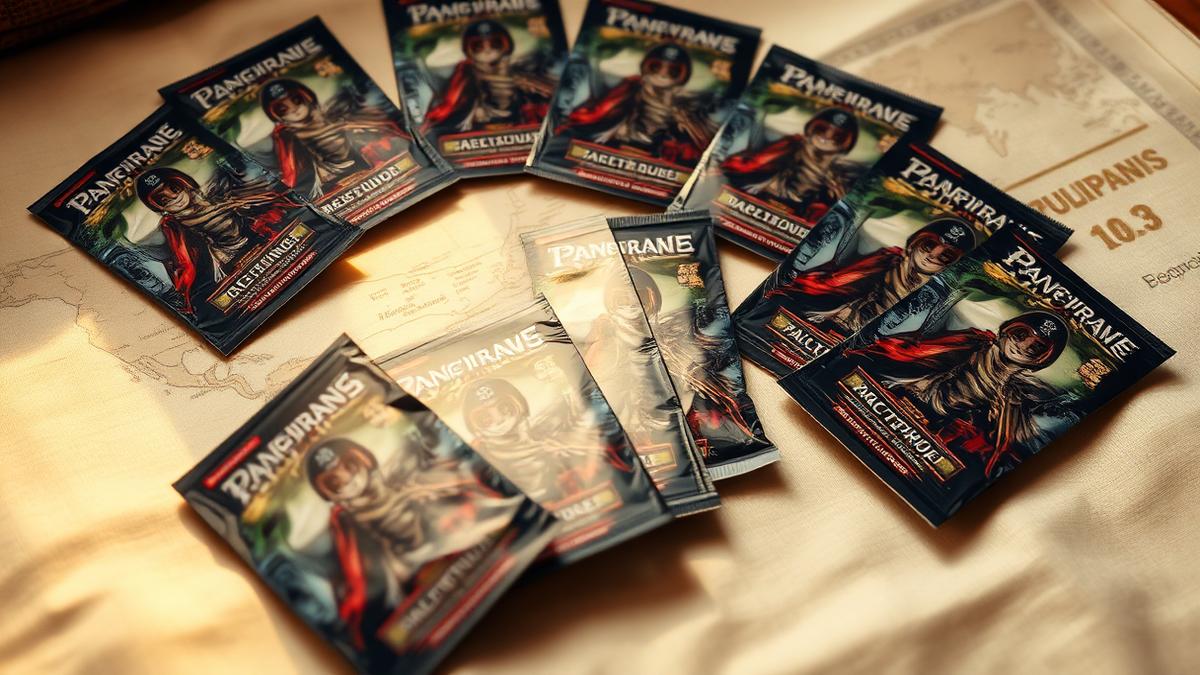
Buying secondary singles in the One Piece Trading Card Game requires navigating unique market forces. Between low-print parallel cards, Manga Rares, and Special Rare variants, asking prices frequently drift far from fair market value. Evaluating raw listings and slabbed cards requires a systematic approach to comparable sales, commonly known as comps.
Focus on Settled Sales Over Active Ask Prices
Active listings on platforms represent seller sentiment, not realized demand. Sellers often list scarce chase cards—such as Manga Rares—at speculative numbers during periods of set releases or meta shifts.
Always filter recent market searches strictly by completed and settled transactions over the last 7 to 30 days. When analyzing settled sales, ignore the highest outlier and the lowest outlier. Outliers frequently stem from private best-offer acceptances where recorded prices fail to reflect the actual settled fee, or panic sales from distressed sellers.
A listing price is an asking bid; only confirmed completed settlements establish true fair market value.
Accounting for Regional and Language Divergence
Historically, Bandai released Japanese sets months ahead of global English print runs. While recent releases like OP-17 aligned global windows, older sets maintain distinct regional valuation curves. Japanese singles often establish the initial visual baseline, but English cards generally carry a premium due to Western competitive play and larger tournament player bases.
When comparing prices, do not use a Japanese sales comp to justify the valuation of an English card, or vice versa. Track sales specific to the exact language, set code, and edition stamp. Verify whether a listing references a standard alternate-art parallel or a rarer tournament distribution, such as a Flagship promo or Treasure Cup prize card, which trade under completely different pricing tiers.
Assessing Condition and Border Wear
One Piece cards use distinct surface textures and full-art foil treatments that are susceptible to specific manufacturing flaws. High-tier alternate art cards, particularly leader cards with dark textured borders, frequently exhibit subtle edge whitening right out of the booster pack.
When reviewing raw comps:
- Compare raw settled sales against graded sales to calculate the grading risk discount.
- Inspect high-resolution seller photos for corner whitening, surface scratching on textured foil, and centering off-press.
- Treat unverified stock photos on marketplace listings as raw played cards, discounting your bid accordingly.
If an ungraded raw card is priced near the market rate of a PSA 9 copy, the seller is asking you to pay a high-grade premium without absorbing the third-party authentication risk.
Spotting Artificial Spikes and Low Liquidity
Sudden price spikes on lower-print One Piece singles can be artificially engineered. In less liquid markets, a single buyer sweeping two or three low-priced listings can temporarily inflate the published market average on aggregated pricing trackers.
Before paying an elevated price after a sudden jump, check the daily transaction volume. If a card averages two sales per week and suddenly registers five sales in one afternoon at rapidly escalating price points, wait for supply settlement. True organic demand displays consistent volume across multiple independent sales channels rather than rapid single-day price spikes.


