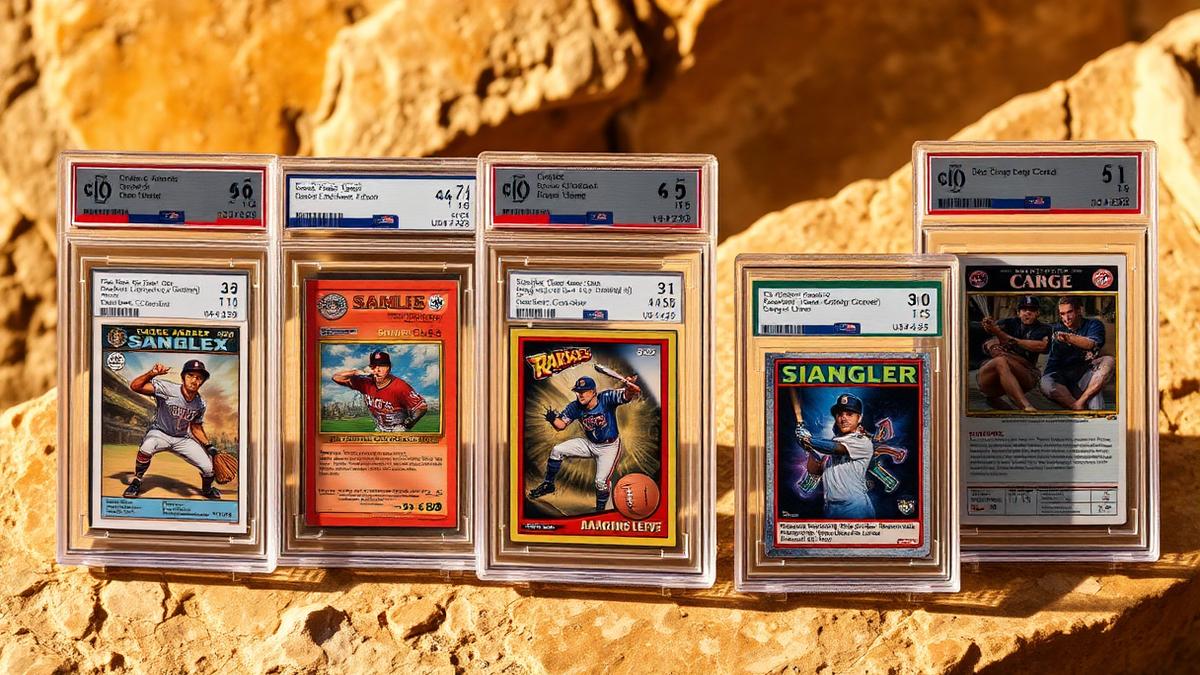

Buying Pokémon cards without understanding how to evaluate completed sales data is the fastest way to overpay. The secondary market moves quickly across vintage classics, Japanese exclusive promos, and modern Illustration Rares. To protect your capital, you must look past asking prices and verify what buyers are actually paying.
Settled Sales Versus Asking Prices
The most common trap for collectors is confusing active asking prices with true market value. An active eBay listing or a price tag at a card show reflects seller expectations, not market consensus.
Always filter platform search results by completed and sold items. On TCGplayer, examine recent transaction logs rather than relying solely on the listed market price algorithm. When evaluating sales on eBay where a best offer was accepted, note that the original list price can be misleading. Cross-referencing sales tracking tools that index true accepted offer prices gives a far clearer picture of real liquidity.
The Impact of Population Dynamics
Condition drives price, but population report dynamics determine the spread between raw cards and graded slabs.
Asking price represents seller ambition; completed sales data represents settled market reality.
For modern cards, high print quality and accessible submission pipelines often create high gem-mint yields. A modern slab in a PSA 9 grade can trade at or near the market value of a clean raw copy. Conversely, for vintage Wizards of the Coast cards, the price gap between grades expands significantly due to population limits and tough condition scarcity. Never apply modern grading price multipliers to vintage singles.
Spotting Outliers and Manipulation
Not every completed sale represents a legitimate benchmark. Single sales that settle far above recent market averages can indicate non-paying buyers, shill bidding, or deliberate attempts to manipulate sales histories.
To identify a bad price, analyze a chronological sequence of five to ten recent transactions rather than relying on a single high point. If multiple copies of a card trade in a tight price corridor over a month, but one copy reflects a sudden 100 percent spike, treat the outlier with caution. Check across multiple venues to see if the price movement is reflected market-wide or isolated to a single transaction.
Low-Volume Traps in Niche Singles
Niche cards—such as vintage Japanese vending machine promos, obscure trophy cards, or low-tier error cards—present distinct valuation challenges. When a card trades infrequently, the most recent sold comp may be months old or represent an urgent liquidation.
When comps are sparse, evaluate historical pricing trends across similar cards from the same set or release era. If a card's asking price reflects a massive premium over its last confirmed sale without a clear market catalyst, step back until additional sold data confirms the higher baseline.