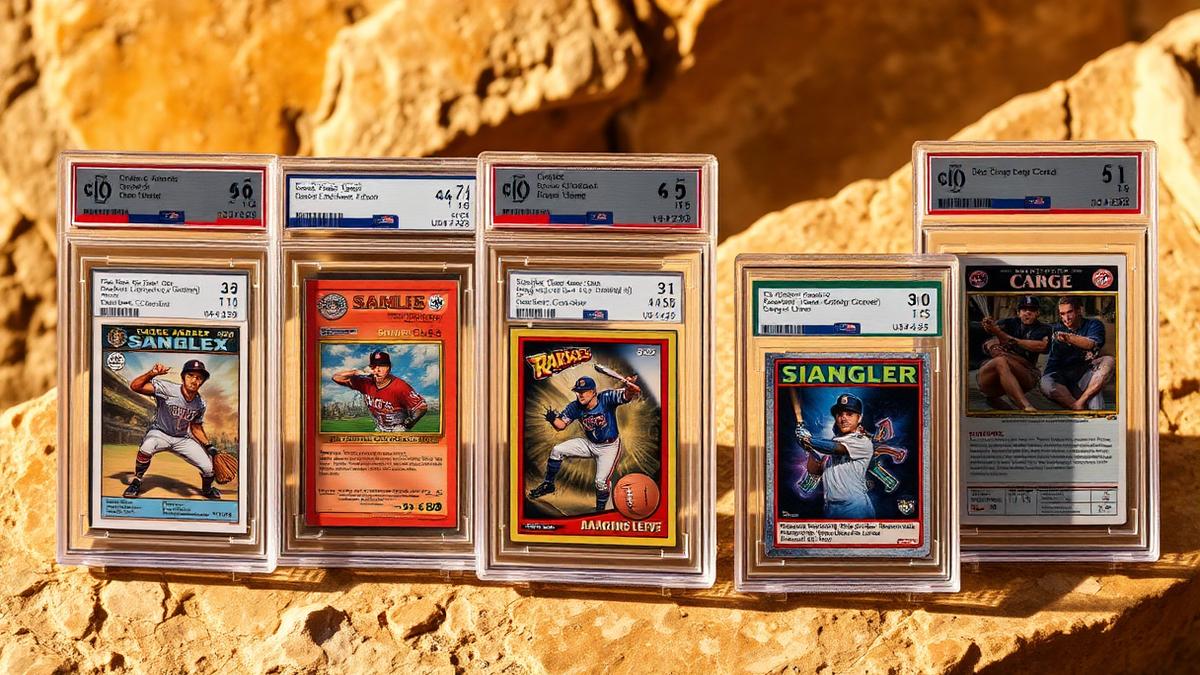

A comparable sale, or "comp," is the baseline metric of sports card valuation. It reflects a completed transaction where a willing buyer and a willing seller met at true market value. Yet misinterpreting comps remains one of the primary reasons collectors overpay on secondary marketplaces.
Sellers routinely cite isolated outlier sales, outdated transactions, or mismatched parallels to justify inflated asking prices. Spotting bad pricing requires knowing how to filter market noise and verify transaction details before committing capital.
Match Exact Parallels and Condition
Modern sports releases feature massive parallel checklists. An unnumbered Silver Prizm, an unnumbered base Refractor, and a serial-numbered color tier can share similar visual elements in thumbnail photos, but their market values diverge significantly.
When pulling sales comps, confirm the precise serial numbering, parallel name, and insert designation against the product checklist. Mistaking an unnumbered retail parallel for an SSP (super short print) hobby exclusive will skew valuation immediately.
Condition demands equal scrutiny. Raw cards cannot be priced against PSA 10 or BGS 9.5 settlements. A raw copy must carry a discount that reflects grading fees, shipping expenses, and the statistical risk of receiving a lower grade. If comparing graded copies, evaluate the grading service directly; market realizations for identical numeric grades differ noticeably across authentication companies.
Uncover Accepted Best Offer Data
Settled marketplace records are not always straightforward. When an item sells via an accepted "Best Offer," many marketplace feeds show the original asking price with a strike-through line, concealing the final agreed price.
Third-party pricing databases and sales archives reveal the true settlement figure. Always reference settled data sources rather than trusting the visible list price on a completed listing.
Screen Out Artificial Floors and Auction Noise
Unpaid buyer defaults and shill bidding distort sales records. An auction that settles at an unusually high price is not valid evidence of market appreciation if the buyer never remitted payment.
Look for these warning signs when evaluating transaction records:
- The same card is relisted by the identical seller days after "selling" for a market-high price.
- An auction closes substantially higher than multiple fixed-price listings available at the same moment.
- The seller has private feedback or low feedback scores matching recent bidders on the transaction history.
A comp is merely a record of what two counterparties agreed upon under specific conditions, not an absolute guarantee of current liquidity.
Account for Seasonality and Performance Momentum
Sports markets are tied directly to active play, injury reports, and scheduling. A sale recorded during an athlete's deep postseason run rarely reflects fair value three months later during the off-season.
When evaluating historical comps, examine the direction of the trend line. If a card realized $500 sixty days ago, $420 thirty days ago, and $350 last week, the active comp is not $500. The market is recalibrating downward.
Never rely on a single isolated transaction to set a purchase target. Require at least three verified, recent sales on identical cards in matching condition before establishing an offer. If data on an exact numbered parallel is sparse, look at sales of adjacent print runs within the same set checklist to triangulate fair value.