Evaluating comparable sales in the secondary market requires more than checking the most recent transaction of a named card. In the Yu-Gi-Oh! trading card game, pricing errors happen frequently because multiple versions of an identical card share artwork, names, and even frame designs while commanding drastically different values.
Accurate comping requires systematic filtering across set codes, rarity treatments, print eras, and condition indicators before committing capital.
Decode the Set Identification String
Every official Yu-Gi-Oh! card carries a four-to-five-character alphanumeric code beneath the lower-right corner of the artwork box. This code identifies the exact set release and regional print run.
Mistaking an original print for a reissue is the most common reason buyers overpay. For example, early booster printings from *Legend of Blue Eyes White Dragon* carried three-letter set prefixes (such as LOB-001), while later worldwide reprints inserted a regional identifier (such as LOB-EN001 or LOB-E001).
When pulling comps on secondary platforms, filter strictly by the exact alphanumeric sequence. Never rely on the character name alone, as a card printed in 2002 often shares identical artwork with a mass-market reprint issued decades later.
Differentiate 1st Edition from Unlimited and Reprints
Yu-Gi-Oh! cards maintain distinct print runs that dictate secondary market liquidity:
- **1st Edition:** Marked with text beneath the artwork or on the bottom border depending on the layout era. Carries a gold Eye of Anubis hologram in the bottom right corner on vintage prints.
- **Unlimited:** Lacks the 1st Edition text and typically features a silver Eye of Anubis hologram on vintage cards.
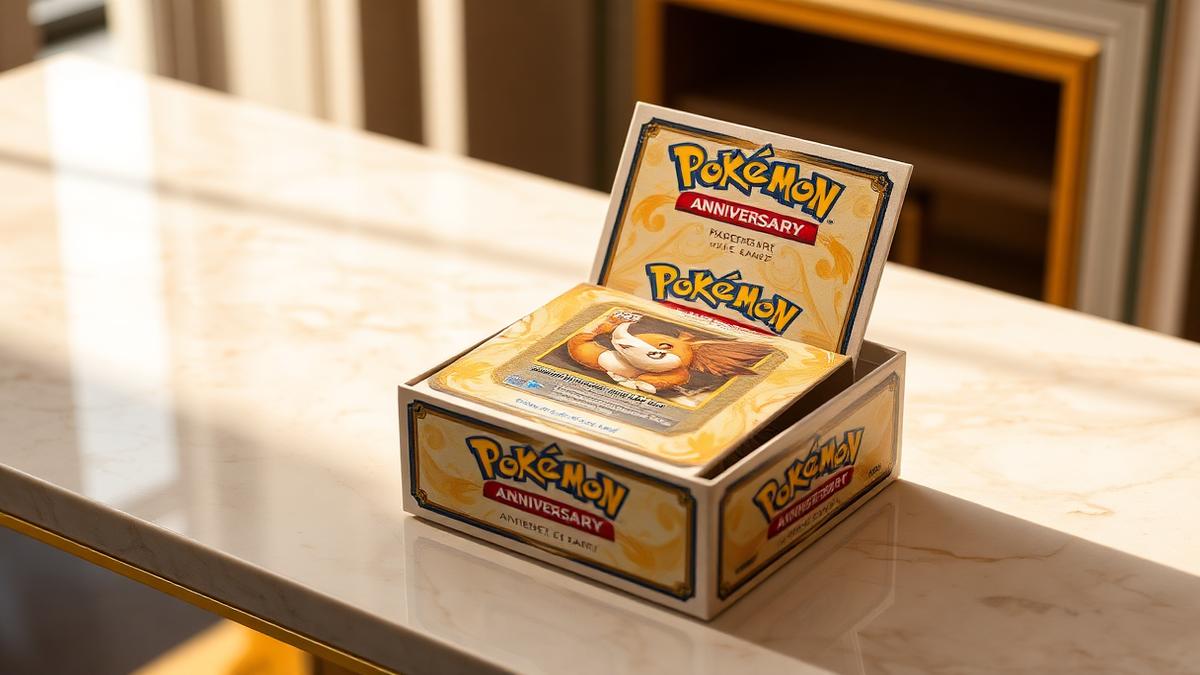
- **Modern Reissues:** 25th Anniversary reprints and structured box releases replicate early sets but alter cardstock density, font weights, and copyright line layouts.
In Yu-Gi-Oh!, an identical card name can exist across a dozen rarities and print runs, meaning comp errors almost always stem from overlooked set prefixes.
Check settled listings to confirm that every comp matches the exact edition status. An unlimited copy cannot serve as a direct benchmark for a 1st Edition copy, nor does a raw 1st Edition comp reflect the premium of a modern anniversary reprint.
Account for Rarity Parallels
Modern core sets and collector sets frequently issue identical cards across tiered rarities. A single secret rare card may also feature an alternate Starlight Rare, Collector's Rare, or Quarter Century Secret Rare parallel within the same release.
These parallels feature distinct foil patterns, textured stamps, and colored foil lettering. When evaluating platform records, confirm the card's specific rarity code and visual finish. High-end modern variants frequently have limited market volume, making asking prices unreliable unless corroborated by settled, verified transactions.
Filter Out Ban-List Volatility and Active Asks
Competitive relevance causes sharp, short-term price spikes in Yu-Gi-Oh! singles. Prior to scheduled Forbidden & Limited List announcements, speculative buyouts can inflate market averages on cards expected to see increased tournament play.
To establish a true baseline:
- Filter marketplace results strictly to settled, delivered sales rather than active listings.
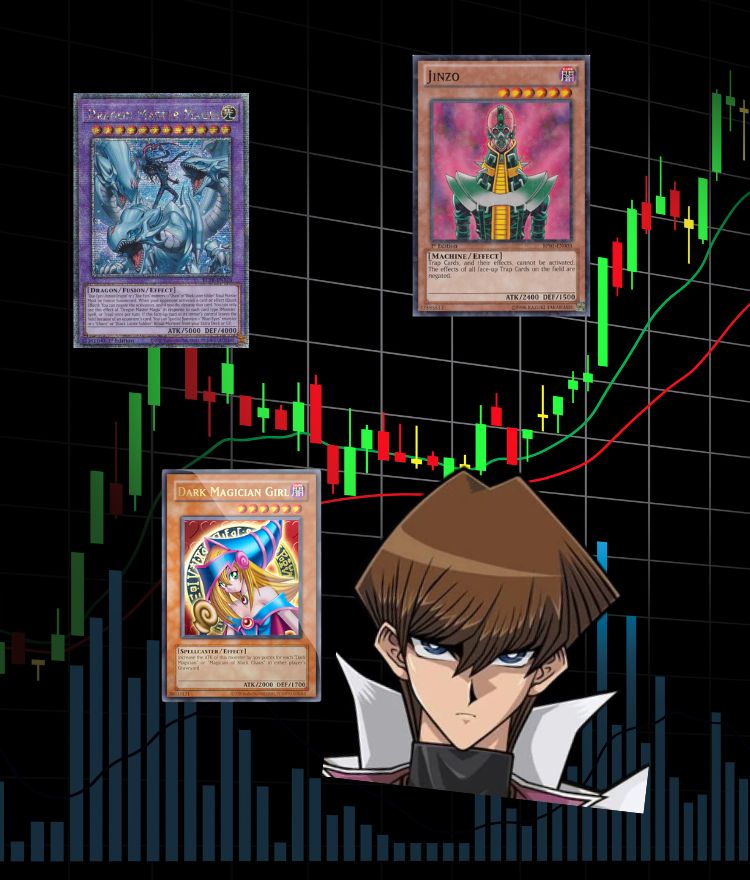
- Discard transactions that show signs of unpaid auction bids or isolated outliers that deviate substantially from the trailing 30-day moving average.
- Separate tournament-driven demand from collector-grade demand; competitive singles depreciate rapidly following rule adjustments or structural reprints, while high-grade vintage grails remain insulated.
Cross-referencing verified platform databases ensures your acquisition target aligns with genuine historical value rather than temporary listing inflation.