
The Raw Inspection Workflow
Submitting raw Pokémon singles to third-party grading services without pre-grading inspection wastes capital. A card that looks flawless inside a binder or behind store display glass can easily drop two grade tiers under concentrated light. Building a systematic surface check routine keeps submission yields predictable and prevents wasted grading fees on sub-nine returns.
Every pre-grading workstation requires three basic tools: a dimmable LED desk lamp, a 10x magnification loupe, and an unused microfiber cloth.
Setting up a dedicated raking light setup eliminates ninety percent of grading surprises before you fill out a submission form.
Surface Inspection Techniques
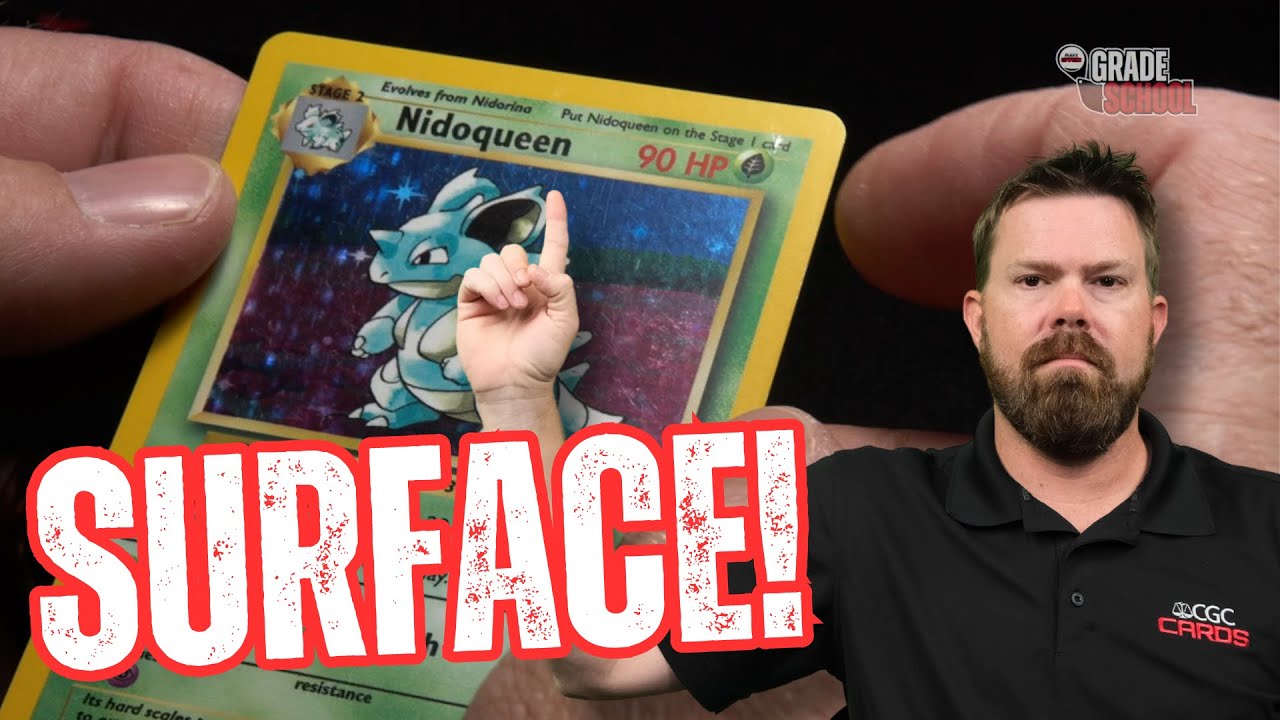
Surface defects remain the primary reason clean-looking Pokémon singles fail to achieve top-tier grades. Place the card on a clean, non-abrasive playmat directly under your light source. Hold the card at a 45-degree angle, slowly rotating it so the reflection moves across the full face of the card.
- Print lines: Horizontal and vertical roller lines frequently appear across holographic foil patterns. Even straight-from-pack cards can exhibit deep factory print lines that degrade surface grades.
- Texture errors: Modern Pokémon hits—including Special Illustration Rares and Secret Rares—feature intricate stamped textures. Look for flat spots where the texture stamp missed the card stock or oil smudges that obscure the foil layer.
- Scratching: Fine hairline scratches hide easily in the reflective foil of vintage cards or the high-gloss UV finish of modern cards. Raking light exposes these micro-abrasions instantly.
If dust or fingerprints are present, place the card flat and wipe softly in a single direction using a clean microfiber cloth. Never rub in circles or apply downward pressure, which grinds micro-particles into the surface coating.
Centering Standards and Edge Checks
Centering is the easiest parameter to evaluate visually. Standard gem-mint thresholds across major grading companies typically demand front centering within a 55/45 to 60/40 ratio, with rear centering allowable up to 75/25.
Measure border widths from the outer frame to the edge on both front and back. English Pokémon cards feature a dark blue back design where miscentering and top-to-bottom skew are immediately noticeable.
Examine edges and corners under 10x magnification:
- Check the back corners for micro-whitening, tiny paper splits, or fuzzy corner cuts.
- Inspect edges for silvering on vintage cards or rough blade cuts on modern releases.
- Look across the top edge for binder-ring indentations or pinching from improper storage.
Pre-Submission Handling and Sleeving
A card passing inspection requires immediate protective storage. Standard top loaders can slide during transit, making semi-rigid holders the preferred standard for grading submissions.
Slide the inspected card into an archival-safe penny sleeve. Cut a small diagonal notch into the top corner of the sleeve prior to insertion to prevent the card's sharp bottom corners from catching and splitting the paper stock. Transfer the sleeved single into a semi-rigid holder, keep it stored upright in a climate-controlled space, and avoid stacking raw cards under heavy weight.


