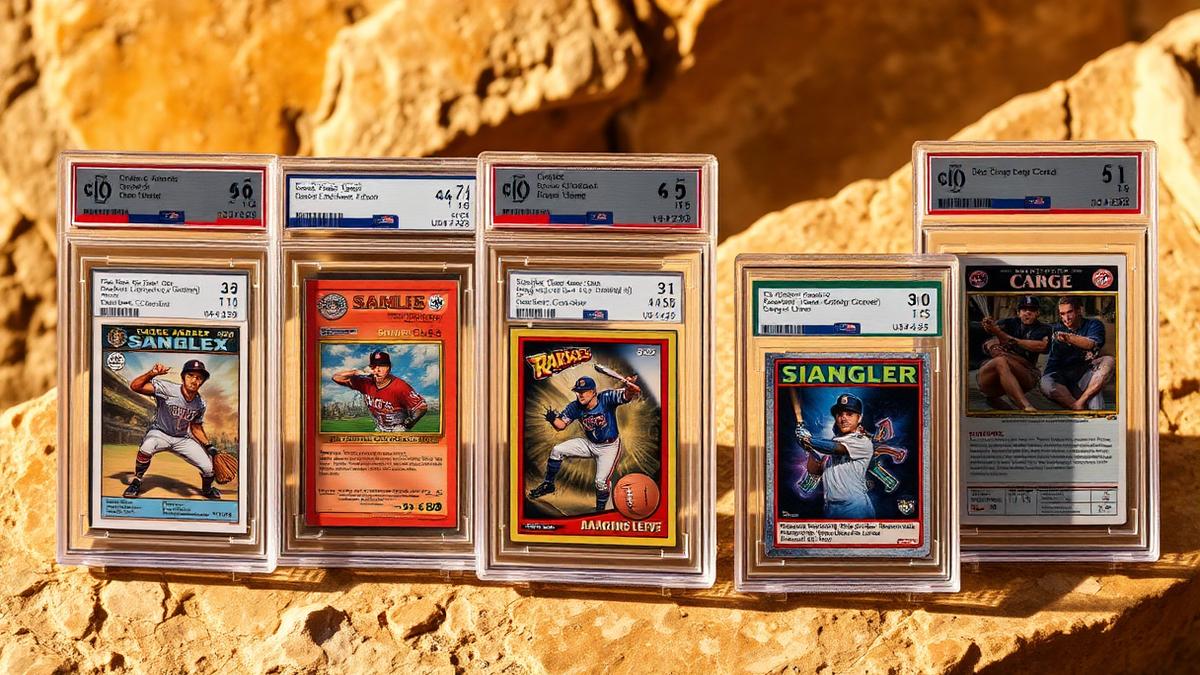

The 1952 Topps baseball set sits at the foundation of modern sports card collecting. It introduced the standard 2-5/8 by 3-1/2 inch format, colorized player photographs, full statistics on the reverse, and team logos. It was also the set that featured card number 311: Mickey Mantle's first Topps card.
Yet the defining story of the 1952 set is not how many cards Topps printed. It is how thousands of those cards ended up at the bottom of the Atlantic Ocean.
The Autumn Distribution Bottleneck
In 1952, Topps released its flagship baseball set in multiple series across the spring and summer. Cards were packaged in wax packs with bubble gum and distributed to local newsstands and candy shops.
The first few series sold through smoothly. However, by the time Topps printed and distributed the sixth and final series—cards numbered 311 through 407—the calendar had turned to late autumn. The baseball season was ending, football season was starting, and children had stopped buying baseball cards for the year.
Retailers returned unsold boxes to Topps. Thousands of unopened wax cases accumulated in the company's Brooklyn warehouse, untouched for years.
Carnivals and Ocean Barges
Topps executive Sy Berger, credited as the co-designer of the 1952 set, spent years attempting to clear out the stagnant stock. He offered the high-series packs at steep discounts, tried selling them to carnival operators for prize booths, and tried pitching them to toy stores as bulk filler.
Nobody wanted them. By 1960, Topps needed the physical storage space in Brooklyn for newer inventory.
"They were dumped in the Atlantic Ocean, about four miles off the New Jersey coast, under the supervision of the Coast Guard."
Berger arranged for a garbage barge to haul hundreds of cases of 1952 high-series cards out to sea. Guided by a United States Coast Guard escort, workers dumped thousands of unopened, pristine cards—including hundreds of Mickey Mantle singles—directly into the ocean.
The Structural Impact on Scarcity
Modern sports card distribution relies on pre-order windows, strict distributor allocations, and controlled print runs to manage supply. In 1952, supply was controlled after the fact by logistics and physical disposal.
The ocean dump had an immediate, permanent effect on the sports card market decades later:
- Cards numbered 311 through 407 became significantly harder to find in high grades than cards from earlier series.
- Card 311, Mickey Mantle, suffered a double hit to availability because it sat at the corner position of the sixth series printing sheet.
- Rubber bands, damp storage, and schoolyard trades destroyed a vast portion of the surviving land-bound inventory.
When collectors look at the physical rarity of high-series 1952 Topps cards today, they are not looking at a deliberate artificial scarcity tactic by a manufacturer. They are looking at the legacy of a Brooklyn warehouse cleanout that sent history to the ocean floor.