
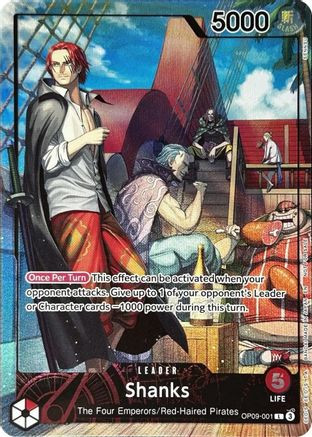
Bandai's release calendar took an unprecedented turn on August 28, 2026, when OP-17, titled The World's Strongest Warriors, arrived on retail shelves worldwide. For the first time in the franchise's lifespan, English-language distribution reached western hobby shops simultaneously with the domestic Japanese print run.
That coordinated arrival eliminated the multi-month delay that previously defined the One Piece Card Game secondary market. In earlier cycles, western players and collectors monitored Asian tournament results, Japanese singles pricing, and regional meta movements long before English booster boxes crossed the Pacific. Now, two months after the launch of OP-17, collectors are navigating an entirely new rhythm.
The Simultaneous Release Model
Historically, the gap between Japanese and English editions functioned as a secondary market proving ground. High-rarity Manga alternate arts and playable Secret Rares established price floors in Tokyo before English boxes even cleared customs. Western buyers could gauge pull rates and tier-one tournament representation weeks in advance.
With OP-17 bringing Elbaf arc and Four Emperors themes to market on the same day across all territories, that informational buffer vanished. Local game stores in North America and Europe received booster allocations on August 28, 2026, placing sealed cases directly into the hands of local collectors on day one.
The elimination of the regional release buffer forces western collectors to evaluate card utility and scarcity in real time rather than importing Japanese price trends.
Without a preview market, early opening velocity became the primary pricing engine for the set's flagship hits. Collectors opening cases on launch day had to assess raw card condition and tournament demand without historical benchmarks.
What Collectors Should Watch on the Secondary Market
As the market settles past the 60-day post-launch mark, collector attention shifts to several mechanical and structural indicators across modern One Piece sets:
- Regional allocation volume: When Bandai aligns worldwide release dates, print capacity must be split across global supply chains simultaneously. Watch whether restock waves match the frequency seen in prior, staggered expansion cycles.
- Four Emperors premium tracking: The thematic weight of the Four Emperors and the Elbaf arc drives distinct collector demand independent of tournament play. Track how high-rarity variants maintain hobby interest relative to utility-only cards.
- Grading submission timing: Simultaneous releases mean western copies hit third-party grading queues alongside Japanese submissions, creating immediate international competition on population reports.
- Sealed box retention: Monitor whether sealed booster boxes from synchronized drops experience immediate hoarding or steady box-breaking velocity during local tournament seasons.
Future Trajectory for Expansion Sets
Bandai's synchronized rollout for OP-17 establishes a permanent precedent for how high-profile One Piece products reach the market. The days of relying on foreign tournament results to direct western acquisitions are effectively over.
For collectors, this shift places greater importance on fundamental evaluation. Rather than riding trailing pricing waves from abroad, participants must study set lists directly, monitor card condition right out of the pack, and assess long-term character popularity on its own merits as upcoming print waves approach.


