Two months after late August delivered back-to-back Marvel card releases, secondary activity has transitioned from initial opening volume to market settlement. The hobby calendar saw two confirmed Marvel drops arrive within a week of each other: 2026 Topps Marvel Mint debuted on August 19, 2026, followed by a dedicated Marvel Hobby Box drop on August 26, 2026.
For collectors tracking modern non-sports releases, the 60-day post-release threshold is where short-term breaker demand subsides and true secondary floors begin to form. The initial wave of case breaks has dispersed into private collections and online inventories, setting up the trading environment that will govern the Marvel category through the remainder of the year.
Gauging the Fallout of 2026 Topps Marvel Mint
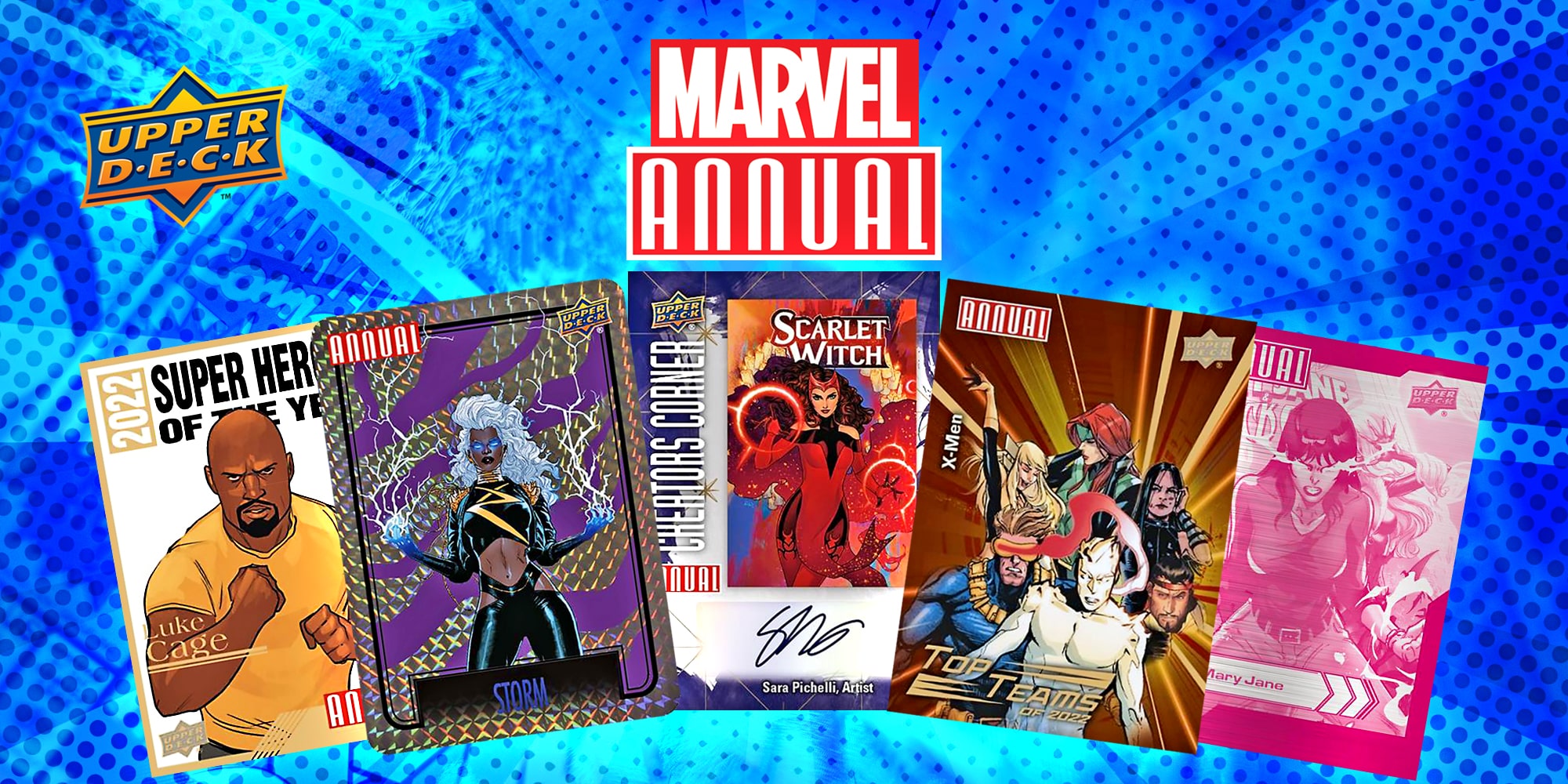
Topps structured 2026 Topps Marvel Mint as a premium release tailored around classic Marvel Comics storytelling and character rosters. In specialty and premium configurations that incorporate specialized manufacturing, character art, and collectible hit elements, secondary market absorption typically divides along clear structural lines:
- Character Tiering: The hierarchy of Marvel comic characters remains strict. Secondary liquidity rarely spreads evenly across an entire checklist. While core comic anchors such as Spider-Man, Wolverine, and Magneto consistently maintain buyer interest, lower-tier characters frequently see their post-release trading volume contract sharply once box-opening hype cools.
- Physical Condition and Edge Wear: Premium-stock and specialized medallion or metal-style cards carry heightened sensitivity to packaging friction. Straight-from-pack edge chipping and surface blemishes frequently suppress the rate of pristine copies, meaning well-preserved raw examples often demand rigorous inspection before purchase.
Hobby Box Settlement and Sealed Inventory
Following the August 26 arrival of the Marvel Hobby Box, unopened product dynamics have moved into their secondary absorption phase. When distributor shipments finish cycling into local card shops and online retailers, sealed inventory typically reflects one of two broader market currents:
- Allocation Absorption: If breaker demand consumes a disproportionate share of sealed cases during launch week, unopened hobby boxes can experience supply tightening, keeping sealed prices steady even as base singles decline.
- Secondary Singles Dilution: If mass openings release an oversupply of mid-tier inserts into the market simultaneously, collectors often pivot toward purchasing individual singles directly, leaving sealed box velocity to moderate until inventory reaches equilibrium.
The 60-day post-release window is where speculative breaker premiums fade and genuine character liquidity establishes a baseline.
What Collectors Should Watch
With both August drops now firmly embedded in secondary circulation, collectors monitoring the Marvel space should adjust their approach to match autumn settlement patterns.
The primary watchpoint is transaction frequency over asking price. Modern non-sports sets frequently suffer from sticky seller pricing, where buy-it-now listings linger for weeks at launch-week valuations that buyers are no longer willing to meet. Settled, multi-bid transactions remain the only reliable metric for current fair market value.
Condition preservation is the second key priority. For sets such as 2026 Topps Marvel Mint, physical flaws acquired during packaging or shipping will dictate long-term grading feasibility. Collectors who verify foil condition and corner sharpness before transacting on raw cards will navigate this post-release cycle with significantly better margin for safety.