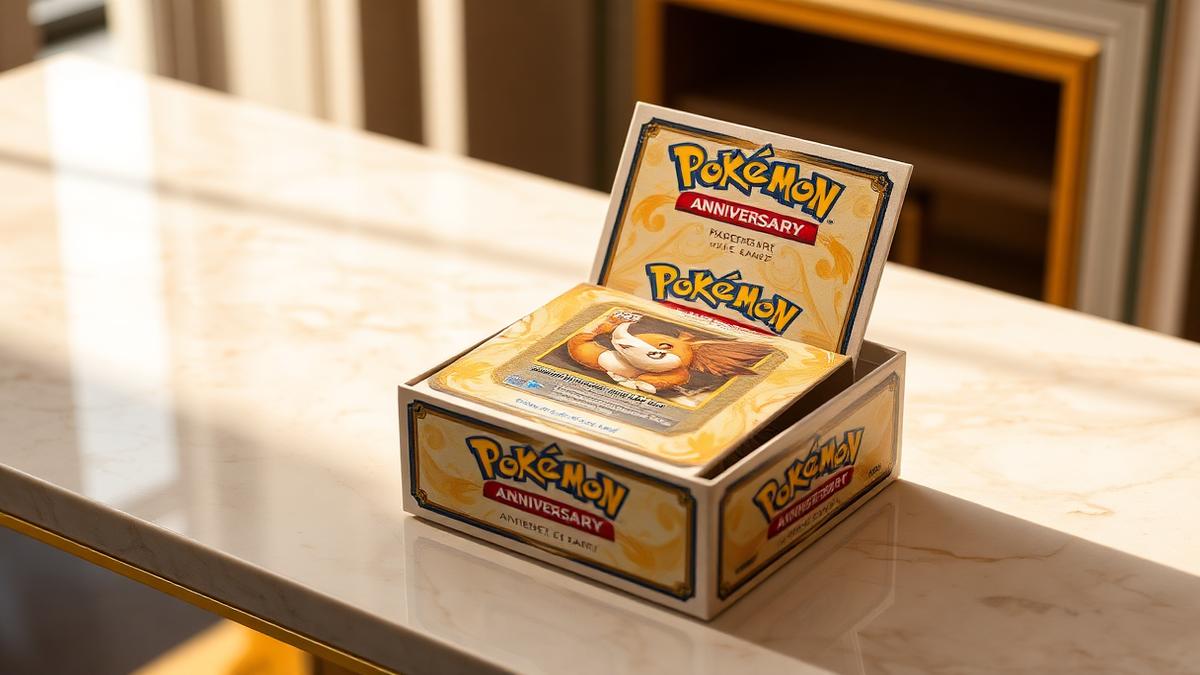
Today marks one month since the August 14, 2026 launch of Magic: The Gathering's Universes Beyond set, The Hobbit, on tabletop and MTG Arena. More importantly for secondary market liquidity, it has been nine days since the set's Gift Bundle hit retail shelves on September 4, 2026.
When a major Universes Beyond set releases its ancillary products on a staggered schedule, secondary market supply dynamics shift in distinct phases. The initial tabletop drop releases draft, set, and collector booster supply into primary distribution channels. The subsequent Gift Bundle drop introduces a localized spike in specialized sealed product, promos, and high-end treatments.
As mid-September unfolds, collectors and buyers are tracking how these overlapping release waves settle across secondary trading venues.
The Gift Bundle Influx and Sealed Absorption
Gift Bundles traditionally represent a key liquidity inflection point for Universes Beyond releases. Because these boxes pack exclusive promos alongside collector boosters and oversized dice, retail buyers and hobby shops open them at disproportionately high rates during the first ten days post-release.
Following the September 4 release, the influx of opened Gift Bundles typically creates short-term pressure on individual card singles. Specialized promos hit marketplace listings simultaneously, testing buyer demand at scale. At the same time, sealed Gift Bundle boxes experience their first post-launch pricing baseline as initial store allocations clear out.
Staggered ancillary drops test secondary absorption, creating clear entry windows for singles once initial bundle openings peak.
For sealed product collectors, the weeks immediately following a Gift Bundle release offer a clear view of true baseline demand. Products that hold firm at or near retail MSRP during this initial settlement period generally signal robust organic interest from both players and long-term hold collectors.
Singles Settlement and Collector Trends
With both the main set and the Gift Bundle in full distribution, single card listings have reached critical mass. The early price spikes driven by pre-order speculation and day-one hype have yielded to steady transaction volume.
During this phase of the set's lifecycle, collectors should watch three distinct segments:
- Serialization and high-rarity variants: Universes Beyond sets frequently feature limited-run serial numbers or unique foil treatments. These cards often experience an initial pricing trough three to four weeks after release as maximum pack volume is opened.
- Commander staples and casual play drivers: Legendary creatures and unique spells from The Hobbit narrative find immediate homes in casual formats. Demand for these regular-frame cards usually provides a stable price floor independent of high-end collector fluctuations.
- Sealed box settlement: Draft, Collector, and Gift Bundle sealed product typically establish firm pricing trends within two weeks of the final ancillary product launch.
What Collectors Should Watch Next
As September progresses, capital across the trading card ecosystem faces competing demands. Late August saw heavy product density across adjacent TCGs, including Bandai's August 28 global launch of One Piece OP-17, alongside multiple sports and entertainment card releases.
For Magic: The Gathering collectors, cross-category liquidity pulls can slow secondary absorption rates on new releases. When buyers divide capital between major franchises, single cards often remain at competitive pricing levels longer than expected.
Moving into the second half of September, buyers should evaluate verified secondary completed sales rather than active listing prices. Tracking actual settled transactions provides the clearest signal of where organic demand meets real supply.