
As mid-September unfolds, the trading card landscape is absorbing an aggressive series of product launches across competing categories. Between Bandai’s global release of One Piece OP-17 on August 28, Magic: The Gathering’s The Hobbit Gift Bundle on September 4, and a wave of Marvel entertainment releases through late August, secondary capital is actively moving across multiple TCG ecosystems.
For Yu-Gi-Oh! collectors and vendors, quiet windows in the release calendar offer an essential observation period. When headline attention shifts toward rival game releases, overall trading volume on secondary marketplaces tends to contract temporarily. Understanding how these broader capital flows operate across the TCG landscape allows collectors to differentiate between short-term liquidity dips and genuine structural revaluations.
Cross-TCG Capital Dynamics
The late-August and early-September release calendar delivered heavy competition for both retail allocations and secondary marketplace funds across the hobby.
- Bandai executed a simultaneous global rollout for One Piece OP-17 on August 28, pulling substantial cash flow into fresh singles and sealed product.
- Wizards of the Coast followed with the September 4 release of The Hobbit Gift Bundle, capturing crossover interest from fantasy collectors and sealed product investors.
- Premium entertainment sets, including 2026 Topps Marvel Mint on August 19 and the Marvel Hobby Box on August 26, further diverted capital from multi-franchise buyers.
When major releases stack closely together, casual buyers and multi-TCG collectors often pause secondary purchases in established games to fund box openings or acquire fresh singles in newly launched sets. This temporary cash drain naturally reduces active bidding across adjacent categories.
What Collectors Should Monitor
In the absence of an immediate Yu-Gi-Oh! headline release, market participants should evaluate key structural indicators rather than reacting to short-term transaction volume.
During multi-category drop cycles, secondary market quiet periods often reveal genuine price support across core collectible assets.
First, track the stability of high-tier modern chase rarities. Starlight Rares and Quarter Century Secret Rares from core booster sets serve as primary benchmarks for modern collector confidence. If ask prices remain flat or trade within tight ranges despite reduced overall transaction volume, it indicates strong holder conviction. Conversely, noticeable price drops by sellers seeking fast cash can highlight overextended vendor inventory.
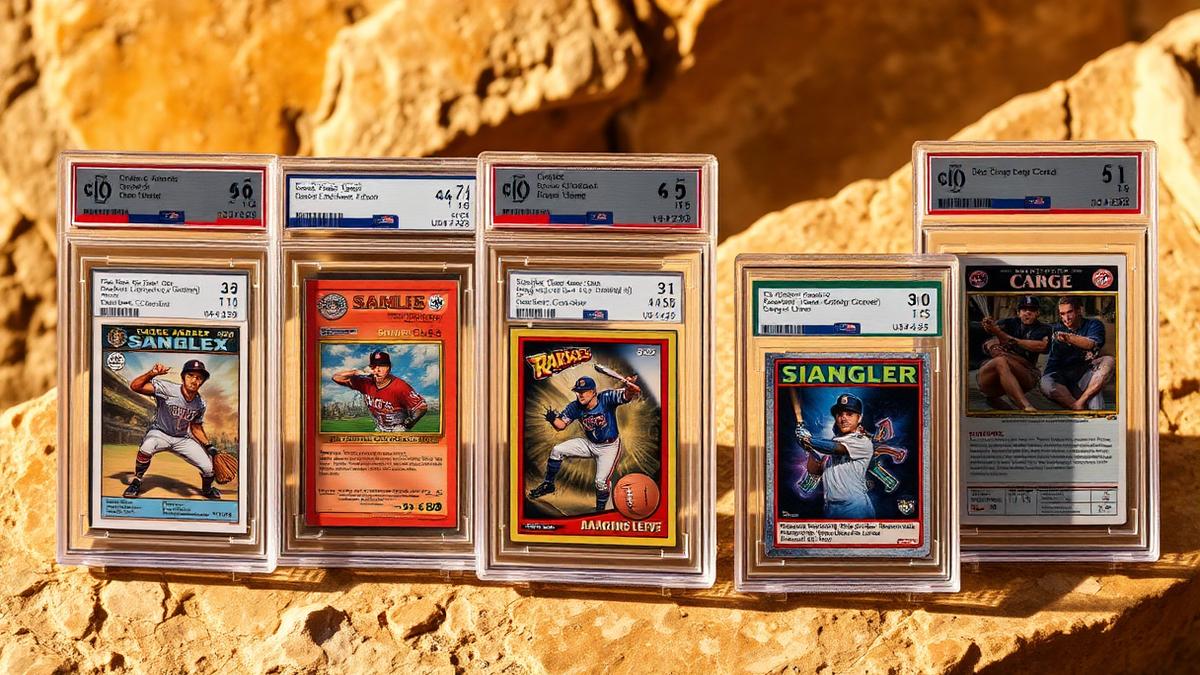
Second, monitor the divergence between high-grade vintage slabs and raw condition singles. Vintage cards from early Konami printings typically demonstrate low price sensitivity during cross-TCG release waves. A steady cadence of settled sales for graded vintage pieces confirms that core collector capital remains anchored in established classics regardless of external product drops.
Third, watch competitive meta developments closely. Local and regional tournament results generate immediate, highly localized demand for tournament staples and high-rarity tech options, providing consistent baseline liquidity even when macro marketplace activity cools off.
Strategic Outlook for Collectors
For collectors navigating mid-September, patience remains the most effective strategy. Utilizing period lulls to track settled market comps rather than active listing prices offers a far cleaner picture of underlying asset strength. As capital from late-August and early-September release cycles settles across competing TCGs, liquidity historically stabilizes across core single card markets.