Understanding the One Piece Secondary Market
Evaluating secondary market prices for the One Piece Card Game requires a structured approach. Fast-moving competitive meta shifts, high-rarity alternate arts, and parallel printings across regions make raw price tags misleading. A listed price on a marketplace reflects seller expectation, not realistic value.
To determine true market value, collectors rely on comparable sales, commonly called comps. Analyzing comps correctly prevents overpaying during brief market hype cycles and ensures you acquire singles at realistic price floors.
Separate Japanese and English Market Data
The One Piece Card Game features two distinct primary markets: Japanese domestic prints and English global releases. Japanese sets launch months ahead of their English counterparts. While early Japanese sales data indicates general artwork popularity and competitive viability, you cannot convert Japanese prices directly to English cards.
- English prints typically command higher price points due to larger player bases, regional distribution costs, and distinct pull rates.
- Do not use Japanese completed sales as direct comps for English cards, or vice versa. Treat them as separate assets with independent supply caps and regional liquidity.
Filter by Exact Condition and Grading Status
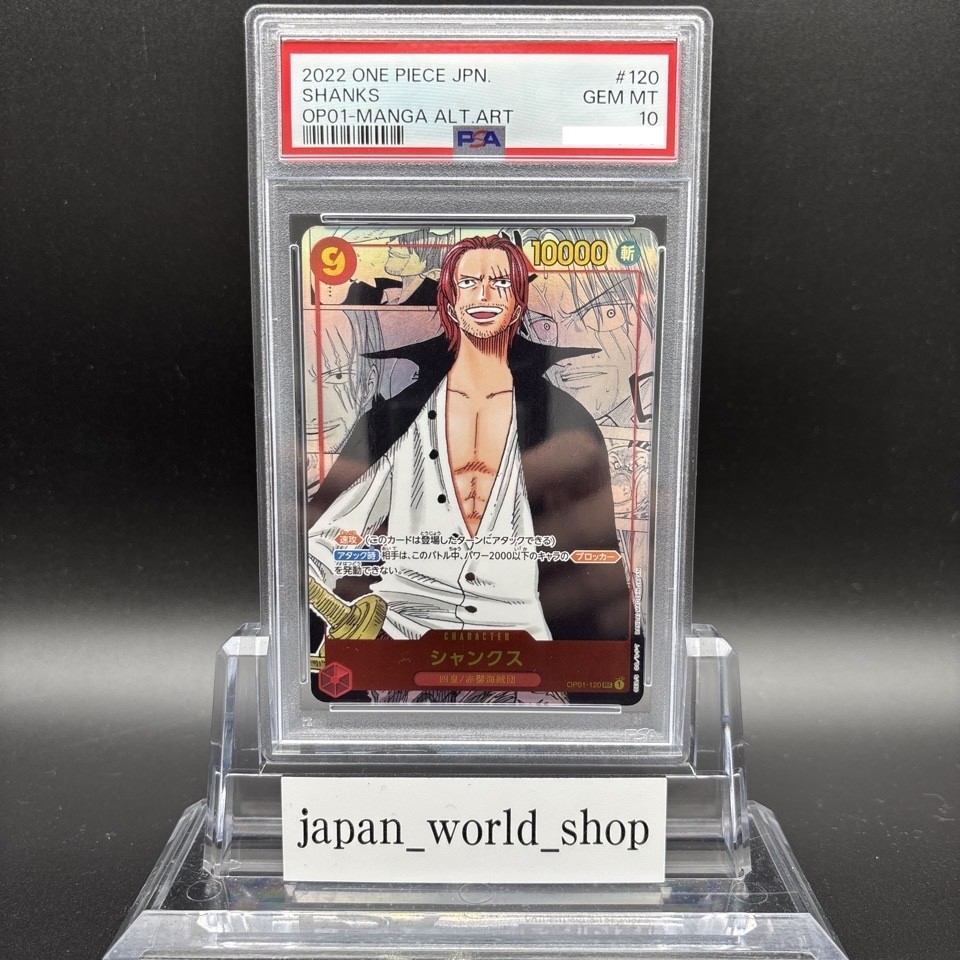
High-end One Piece cards—such as Manga Alternate Arts, Treasure Rares, and Flagship tournament promos—carry heavy premiums in gem mint condition. When reviewing completed sales on platforms like eBay or TCGplayer, match the exact card condition before establishing a baseline.
- Raw cards listed as "Near Mint" often vary in quality. Look closely at centering, silvering along foil edges, and corner wear. A raw copy with minor edge whitening should be comped against similar flawed raw sales, not clean copies intended for grading.
- Graded slabs require grade-specific comps. A BGS 9.5, PSA 10, or CGC Pristine 10 each carry distinct market multiples. Never average raw sales with graded sales when calculating market averages.
Identify Artificial Buyout Spikes
Market manipulators and speculative buyers often target low-supply One Piece singles by clearing out cheap listings on public marketplaces, forcing price aggregators to display an inflated average.
Base your offer on settled, low-end trailing sales rather than single peak transactions triggered by temporary supply squeezes.
To spot an artificial price spike:
- Look at sales volume over a 7-day to 14-day window. If a card jumps significantly on a single day with low overall transaction count, the spike is likely unsustainable.
- Verify whether completed eBay sales were actually paid for. Unpaid items often appear as completed sales in historical search results, inflating price trackers.
- Ignore active "Buy It Now" listings. Active asking prices represent what cards have not sold for, not what buyers are willing to pay.
Factor in Total Net Acquisition Cost
A low headline price can quickly turn into a bad deal once additional costs are applied. When evaluating comps across multiple marketplaces, calculate the final delivered cost.
- Account for platform shipping fees, domestic taxes, and international import duties if buying directly from overseas Japanese sellers.
- Compare venue reliability. Buying from established vendors with explicit return policies carries less risk than buying unverified raw listings on unvetted peer-to-peer boards.
Establishing a disciplined comp methodology keeps your capital secure while building your One Piece collection.