Evaluating card values in Disney Lorcana requires a disciplined approach to recent sales data. With high-demand hits like Enchanted Rares driving secondary market liquidity, collectors frequently encounter volatile asking prices. Knowing how to read comparable sales—commonly called comps—is the most effective way to protect your budget and spot overvalued listings.
Isolate Settled Sales from Asking Prices
The primary mistake collectors make when researching Lorcana singles is relying on active seller listings. A seller can list a card for any arbitrary amount, but an asking price represents seller optimism, not true market value.
To find an accurate benchmark, look exclusively at settled sales on major secondary marketplaces and tracking platforms. Filter search results by completed and sold items. Pay close attention to listings marked as Best Offer Accepted. In these instances, the listed price is typically struck through, meaning the item sold for less than the display figure. Cross-referencing these sales with dedicated pricing databases ensures you do not mistake a discounted offer for a full-price purchase.
Factor in Card Finish and Print Dynamics
Disney Lorcana features distinct card treatments that directly influence secondary pricing. Standard cards come in both non-foil and cold foil finishes while sharing identical card numbers and collector numbering. When evaluating comps, verify that the sold listings you are reviewing match the exact finish of the card you intend to buy. A comp for a cold foil version of a card should never be used to justify the price of a standard non-foil copy.
Timing is equally critical when analyzing Lorcana price history. Lorcana products often experience price compression when allocation waves hit local game stores and mass retailers. Comparing a card's current listing against a comp from a set's initial launch week will lead to overpaying, as secondary supply expands in the weeks following a product drop.
Identify Red Flags and Price Traps
When scanning listings across secondary marketplaces, several common pricing traps signal a poor deal or potential risk:
- Inflated shipping costs added to an understated card price to manipulate sorted search results.
- Raw listings marketed with terms like "PSA 10 candidate" to justify an unearned premium on an ungraded card.
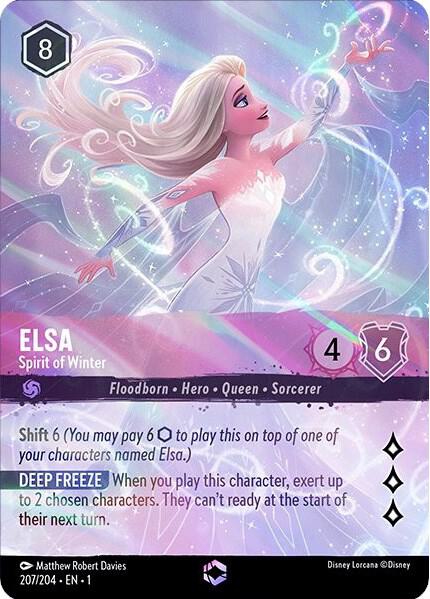
- Unusually low prices on high-value Enchanted Rares, which often indicate proxy cards, counterfeits, or accounts with unverified seller feedback.
- Sellers combining card comps across different language printings, as non-English Lorcana cards generally trade at a discount compared to English editions.
Settled transactions reflect what buyers actually paid, not what sellers hope to receive.
Key Takeaways for Lorcana Buyers
- Filter for sold and completed transactions on marketplace databases rather than relying on active buy-it-now prices.
- Confirm the exact card variant, verifying whether recent comps reflect non-foil, cold foil, or frameless Enchanted treatments.
- Evaluate recent sales velocity over a short time window to capture current print wave supply shifts.
- Inspect edge condition and foil flatness carefully, as physical defects directly impact secondary valuation.