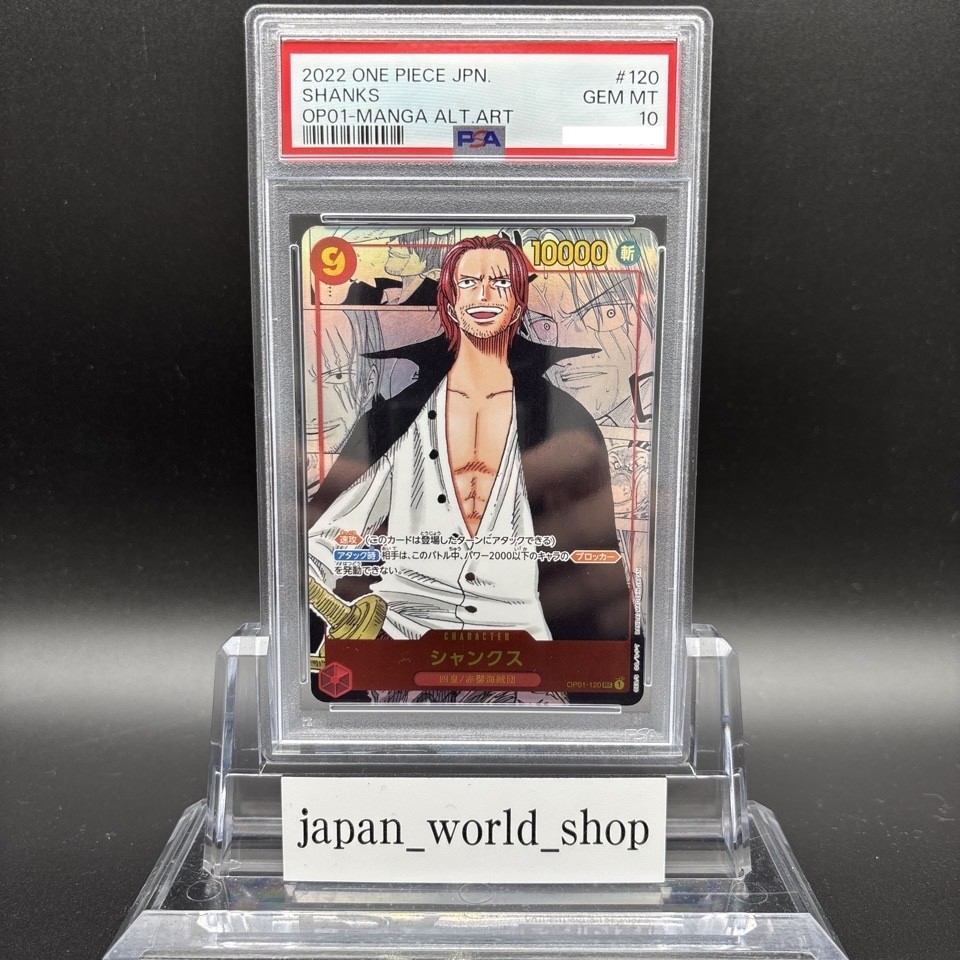
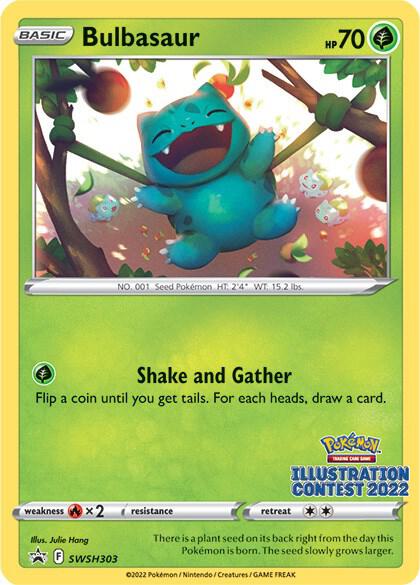
Every Pokémon card carries an illustrator credit in tiny type near the bottom of the frame. Most people never read it. Collectors who do have built entire portfolios around it, because artist-driven demand behaves nothing like character-driven demand.
Why artist runs matter
A single illustrator will typically work across dozens of cards, multiple eras and several rarity tiers. When that artist gets a moment — a viral alt-art, a retirement, an anniversary reprint — demand does not stay on the one famous card. It spreads across their whole catalogue, including cheap commons nobody was watching. That is the closest thing the hobby has to a repeatable, publicly visible signal.
How to actually use it
- Find the illustrator line on a card you already love, then search that name rather than the Pokémon.
- Look for their work in low-rarity slots from older sets — that's where the mispricing lives.
- Check whether an artist has a signed or stamped variant in circulation. Signature series cards trade at multiples of the base print and are frequently listed by sellers who didn't notice.
The same logic travels. Sports card art directors, Lorcana's character illustrators and Magic's long-tenured painters all have followings that outlive any single set. Illustrator is a real market axis — it's just one almost nobody filters on.
Character demand is loud and priced in. Artist demand is quiet and usually isn't.